
COMFORT IN ALL CONDITIONS
New:Fall Layers


Iconic fits



Sale!
Men-Featured-New Arrivals
Price range: $8.50 through $10.00
Sale!
Men-Featured-New Arrivals
Price range: $8.50 through $10.00
Sale!
Men-Featured-New Arrivals
Price range: $8.50 through $10.00
Sale!
Men-Featured-New Arrivals
Price range: $8.50 through $10.00
Sale!
Men-Featured-New Arrivals
Price range: $8.50 through $10.00
Sale!
Men-Featured-New Arrivals
Price range: $8.50 through $10.00
Sale!
Men-Featured-New Arrivals
Price range: $8.50 through $10.00
Sale!
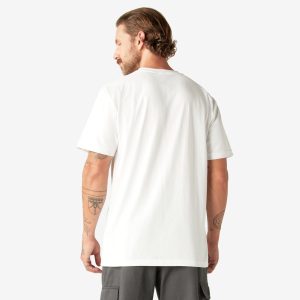
Men-Featured-New Arrivals
Price range: $8.50 through $10.00
Sale!
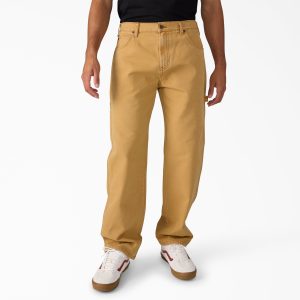
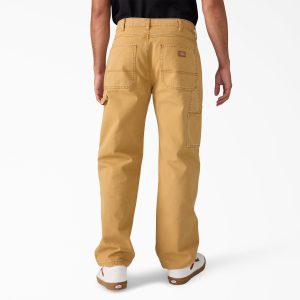
worn-in
Original price was: $44.99.$22.50Current price is: $22.50.
Sale!

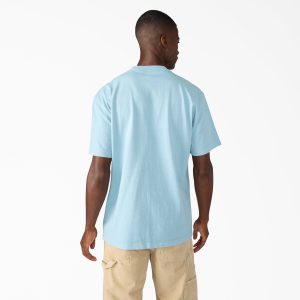
Original price was: $29.99.$15.00Current price is: $15.00.
Sale!

Original price was: $29.99.$15.00Current price is: $15.00.
Sale!
Original price was: $29.99.$15.00Current price is: $15.00.
Sale!
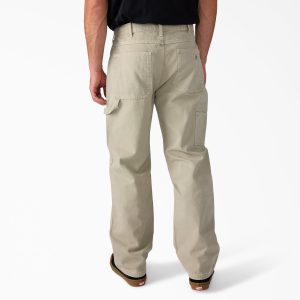
worn-in
Original price was: $44.99.$22.50Current price is: $22.50.
Sale!
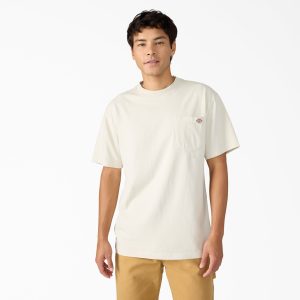
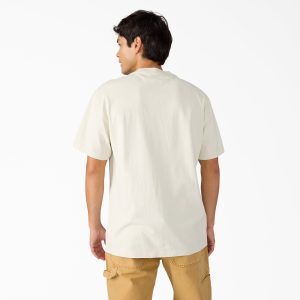
Original price was: $29.99.$15.00Current price is: $15.00.
Sale!
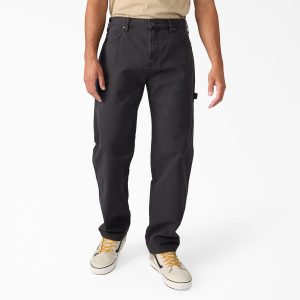
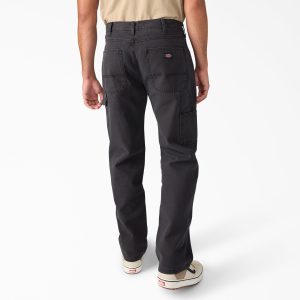
worn-in
Original price was: $44.99.$22.50Current price is: $22.50.
Sale!
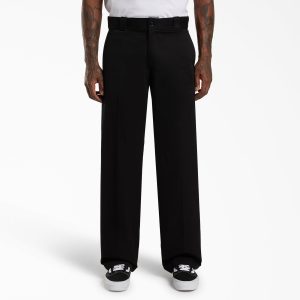
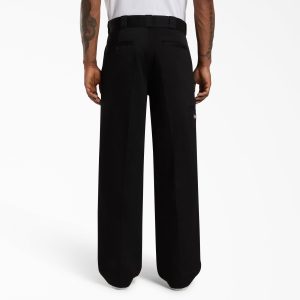
shop-the-look
Original price was: $54.99.$27.50Current price is: $27.50.
Sale!
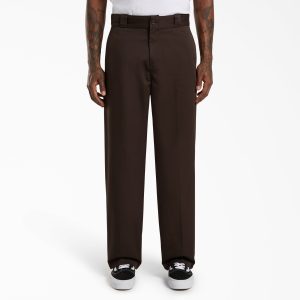
shop-the-look
Original price was: $54.99.$27.50Current price is: $27.50.
Sale!
shop-the-look
Original price was: $29.99.$15.00Current price is: $15.00.
Sale!
shop-the-look
Original price was: $54.99.$27.50Current price is: $27.50.
Sale!

shop-the-look
Original price was: $34.99.$17.50Current price is: $17.50.
Sale!
shop-the-look
Original price was: $34.99.$17.50Current price is: $17.50.
Sale!

shop-the-look
Original price was: $29.99.$15.00Current price is: $15.00.
Sale!
shop-the-look
Original price was: $49.99.$25.00Current price is: $25.00.

Sale!


Men-Outerwear-Shop All
Original price was: $64.99.$32.50Current price is: $32.50.
Sale!

Men-Outerwear-Shop All
Original price was: $69.99.$35.00Current price is: $35.00.
Sale!
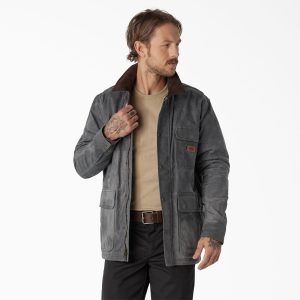
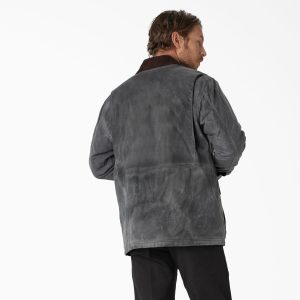
Men-Outerwear-Shop All
Original price was: $199.99.$100.00Current price is: $100.00.
Sale!
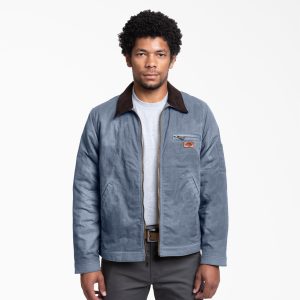
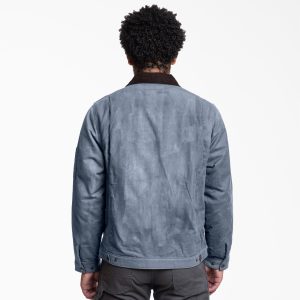
Men-Outerwear-Shop All
Original price was: $189.99.$95.00Current price is: $95.00.
Sale!
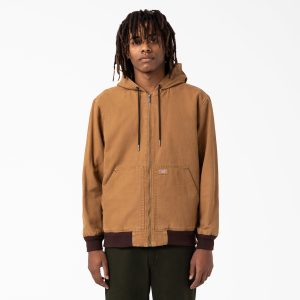
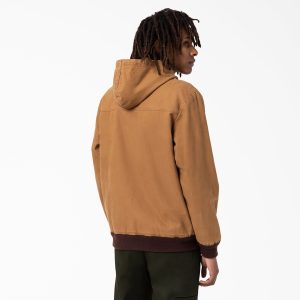
Men-Outerwear-Shop All
Original price was: $139.99.$70.00Current price is: $70.00.
Sale!


Men-Outerwear-Shop All
Original price was: $250.00.$125.00Current price is: $125.00.
Sale!
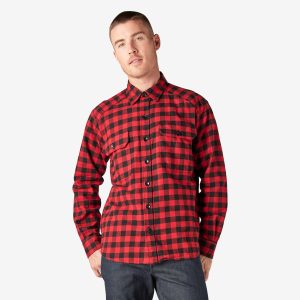
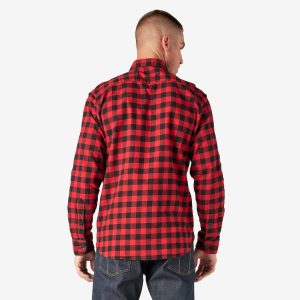
Men-Outerwear-Shop All
Original price was: $220.00.$110.00Current price is: $110.00.
Sale!
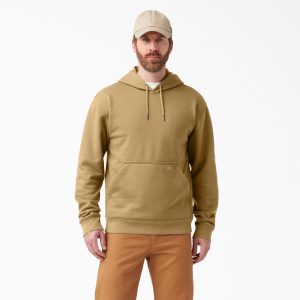
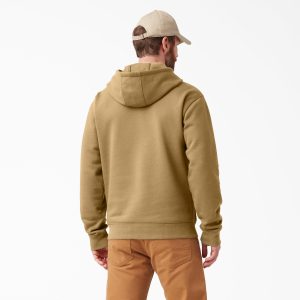
Men-Outerwear-Shop All
Price range: $25.00 through $26.50
FEATURED
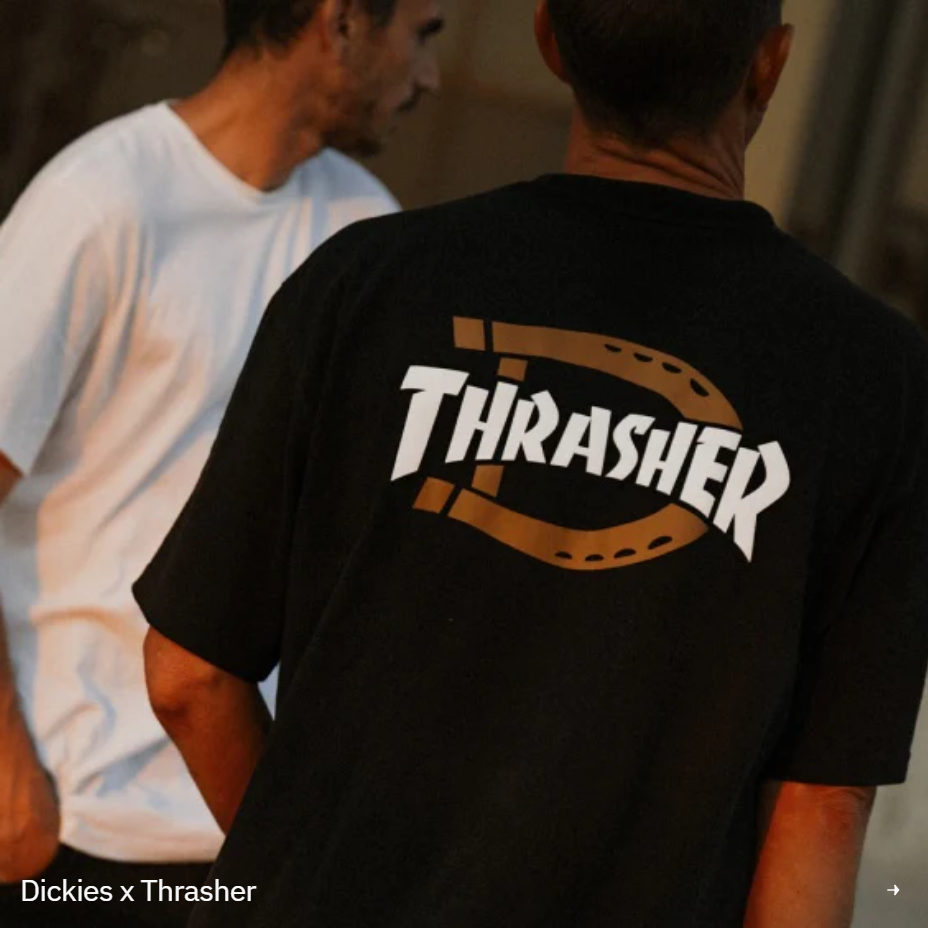

The Evolving Landscape of Apparel and Footwear: Trends Shaping the Future
The world of apparel and footwear stands at an inflection point, driven by rapid technological advancements and profound shifts in consumer mindset. This industry, which touches every individual on the planet, is moving beyond seasonal styles to embrace fundamental changes in how items are designed, produced, and experienced. The focus is no longer solely on aesthetic appeal but on a synthesis of functionality, personalization, and seamless integration into daily life.
One of the most significant shifts is the acceleration of digital integration. The retail experience is dissolving the traditional barrier between the physical and virtual worlds. Advanced visualization tools, such as augmented and virtual reality, are transforming how shoppers interact with items before a purchase. Consumers can now virtually “try on” garments or see how a pair of shoes complements their existing wardrobe through a digital mirror or a smartphone application. This technology not only enhances the convenience of online shopping but also provides a more accurate representation of fit and style, significantly reducing the frequency of returns, which in turn carries environmental and logistical benefits. This move towards ‘phygital’ retail creates a richer, more engaging shopping journey that caters to a tech-savvy audience demanding instantaneous and immersive interactions. The data collected from these digital experiences is invaluable, feeding back into the design process to create products that are inherently better suited to actual customer needs and preferences.
Accompanying the digital revolution is the surging demand for hyper-personalization. Generic, mass-produced items are increasingly being challenged by products that reflect an individual’s unique identity and requirements. This movement goes far beyond selecting a color or a size. We are seeing a greater capability for truly customized creations, from bespoke digital patterns that allow for made-to-measure tailoring to footwear where the sole and upper components are uniquely configured based on biometric data and usage patterns. Technologies such as three-dimensional printing are making this level of customization more feasible and scalable than ever before. For designers, this means a shift from predicting broad, sweeping fashion trends to developing modular systems and adaptable platforms that allow the end-user to become a co-creator. The resulting product is one of higher perceived value and greater emotional attachment, leading to increased longevity and less disposable consumption.
Functionality is also experiencing a powerful renaissance, particularly in the realm of performance textiles and intelligent garments. Apparel is evolving into wearable technology. Fabrics are being engineered with embedded sensors and specialized fibers to monitor various physical parameters, manage micro-climates, and even provide therapeutic benefits. Imagine a jacket that dynamically regulates its insulation based on ambient temperature or running shoes that analyze gait and impact forces in real-time, providing immediate feedback to the wearer. This integration of science and style elevates the product from a simple covering to a sophisticated tool. The blending of high-performance materials traditionally reserved for athletic pursuits into everyday attire—a phenomenon known as the ‘athleisure’ aesthetic—is a testament to this demand for comfortable, durable, and highly capable items in every aspect of life.
Finally, the concept of timeless durability and quality is re-emerging as a core value. In an era where consumers are increasingly questioning the lifecycle of their purchases, there is a distinct preference for products built to last. This contrasts sharply with models built on rapid turnover and planned obsolescence. Shoppers are gravitating towards classic designs crafted from superior, resilient materials. This focus on longevity fosters a move toward less frequent purchasing of higher-value items. It also encourages consumers to engage in garment care, repair, and revitalization, participating actively in extending the usable life of their apparel and footwear. The industry must therefore focus on transparency in material sourcing and construction methods to justify the investment in enduring quality. The future of the industry is clearly defined by innovation that serves the individual, respects the planet, and provides tangible, long-lasting utility. This confluence of technology, customization, and quality is forging a path to a more meaningful and resilient sector.